
قرآن کا اصلاحی منہج اور کیفیاتِ ثلاثہ کے تناظر میں انسانی رویّوں کی تشکیل : سورۃ المعارج کا تحقیقی مطالعہ Qur'anic Reformative Methodology (QRM) and the Formation of Human Behaviour in the Context of the Three Human States: A Study of Sūrah al-Maʿārij
Article Sidebar
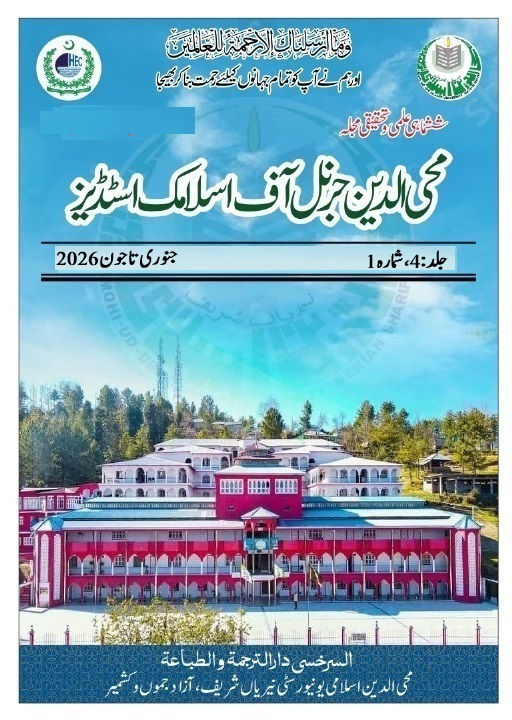
Main Article Content
Abstract
The Qur'an presents a comprehensive reformative methodology for nurturing balanced human behaviour by recognizing innate psychological tendencies and directing them toward moral and spiritual excellence. This study examines the QRM in the context of the three human states portrayed in Sūrah al-Maʿārij (70:19–35), highlighting its significance for addressing contemporary moral, psychological, and social challenges. Employing a qualitative approach based on thematic Qur'anic analysis the study explores how the sūrah diagnoses negative human dispositions such as anxiety, impatience, and selfishness and transforms them through a systematic reformative process. The findings reveal that QRM establishes an integrated framework beginning with spiritual discipline and progressing toward ethical and social responsibility. Regular prayer cultivates self-discipline, charitable giving moderates material attachment, belief in the Hereafter strengthens accountability, God-consciousness restrains unethical conduct, while honesty and trustworthiness promote social harmony. It recommends integrating Qur'anic ethical principles into educational curricula, character-development programs, and community-based initiatives to foster responsible, compassionate, and morally conscious individuals.